
Coca leaf chewing is an ancient Andean practice with deep cultural roots and a long history of daily use. Known in different regions as acullico, chacchado, or picchado, this traditional technique is much more than a habit. For many communities in the Andes, it is a social ritual, a symbol of identity, and a practical way to cope with altitude, fatigue, and hunger.
Today, interest in coca leaves continues to grow among travelers, researchers, and readers who want to understand the cultural and traditional side of this practice. In this guide, you will learn how coca leaves are chewed properly, what llipta is, why the technique matters, and what people should know about its effects and precautions.
What Is the Traditional Coca Leaf Chewing Technique?
The traditional coca leaf chewing technique is a method of slowly masticating coca leaves and keeping them in the cheek for an extended period so the active compounds can be absorbed through the saliva. Unlike ordinary chewing, the leaves are not eaten quickly. Instead, they are formed into a small bundle, known as a bolo, and held against the inside of the cheek.
A key part of the process is the use of llipta or tocra, an alkaline substance that helps activate the coca leaves. This is what makes the traditional method effective and distinctive. In many Andean communities, the basic tools remain the same: dried coca leaves, a small container for llipta, and a simple stick or tool to handle the alkaline paste or powder.
Why People Chew Coca Leaves
Coca leaves have been used for centuries in the Andes as a natural stimulant. Traditionally, people chew them to reduce tiredness, ease hunger, and support the body at high altitude. For workers, farmers, and travelers in mountain regions, coca has long served as a practical companion during physically demanding days.
Beyond function, coca also carries strong cultural meaning. It is used in ceremonies, gifts, and social gatherings. In many places, sharing coca leaves is a sign of respect and hospitality.
How to Chew Coca Leaves Properly
If you want to understand the traditional method, it helps to know the steps clearly. The process is simple, but it follows a specific order.
1. Select good leaves
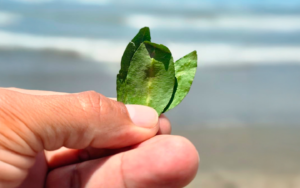
Choose dry, healthy coca leaves that are not broken or damaged. Traditionally, fresh-looking leaves with a clean green tone are preferred. In ceremonial settings, three leaves may be grouped together as a k’intu, which is often used as an offering.
2. Place a small amount in the mouth
Start with a small quantity of leaves, usually a few at a time. They are lightly chewed just enough to soften them and mix them with saliva. The goal is not to fully grind them into pulp, but to form a compact bundle.
3. Form the bolo
Using the tongue and cheek, gather the leaves into a small ball or bundle. This bolo should be placed comfortably on one side of the mouth, usually between the cheek and the molars. It should stay there rather than being chewed constantly.
4. Add llipta or tocra
Take a tiny amount of llipta and add it to the bundle. This alkaline ingredient is important because it helps release the active compounds from the coca leaf. Without it, the effect is much weaker.
5. Hold it in the cheek
Once prepared, the bolo remains in the cheek for about one to two hours. During this time, the saliva slowly extracts the coca’s active elements. The bundle may be moved slightly from side to side, but it is not meant to be swallowed or aggressively chewed.
6. Discard the residue
When the leaves lose their flavor and effect, the remaining fiber is removed and discarded. The mouth may be rinsed afterward, especially if the person plans to repeat the process later.
What Is Llipta?
Llipta is the alkaline material traditionally used with coca leaves. It is often made from lime or plant ash, depending on the region. In some Andean areas, it is prepared from ash made from quinoa or other local plants. In other places, it may include crushed shells or similar mineral sources.
Its role is essential. Llipta raises the pH in the mouth, which makes it easier for the coca leaf compounds to be absorbed. That is why traditional coca chewing always includes an alkaline activator.
Regional Differences in Coca Chewing
Although the basic technique is similar across the Andes, local variations do exist. Some communities use different names for the alkaline paste. Others prepare it with different ingredients. In Bolivia, for example, some traditional versions use ash-based mixtures with local flavor variations. In Peru, the preparation may include lime or shell powder in certain regions.
These differences do not change the core practice. The central idea remains the same: soft coca leaves, a small alkaline addition, and slow absorption inside the cheek.
Effects of Chewing Coca Leaves
Traditionally, coca leaves are valued for their mild stimulating effect. Many users report increased alertness, less fatigue, and better tolerance of hunger or high-altitude conditions. The effect is usually gentle rather than intense.
That said, coca chewing is not the same as using purified cocaine. The leaf contains a much lower concentration of active compounds, and the traditional method is part of a broader cultural system that has existed for generations.
Possible Risks and Precautions
Even though coca leaf chewing has a long traditional history, it is not free from risks. Frequent chewing may affect oral health, especially when combined with alkaline substances like llipta. Some studies associate regular use with gum irritation, jaw discomfort, and changes in the mouth.
People with certain health conditions should be cautious, especially those with heart problems, uncontrolled high blood pressure, pregnancy, or sensitivity to stimulants. As with any traditional plant practice, moderation matters.
Good oral hygiene is important if coca is used regularly. Rinsing the mouth after chewing and maintaining dental care can help reduce discomfort.
Cultural Respect Matters
When discussing or practicing coca leaf chewing, respect is essential. For many Andean communities, coca is sacred and connected to identity, reciprocity, and spiritual life. It is not simply an herbal stimulant. It is part of daily life, ceremonial exchange, and ancestral knowledge.
Visitors to the Andes should approach coca with curiosity and respect, not as a trend or novelty. Learning the proper traditional technique also means understanding the cultural meaning behind it.
Final Thoughts
Chewing coca leaves properly is a tradition built on technique, patience, and respect. The method is simple: select good leaves, form a small bolo, add llipta, and keep it in the cheek to allow slow absorption. But the practice goes far beyond procedure. It represents centuries of Andean knowledge, adaptation to mountain life, and cultural continuity.
For anyone interested in traditional coca leaf chewing technique, the most important lesson is this: coca chewing is not rushed. It is a slow, deliberate, and deeply cultural practice that reflects the wisdom of the Andes.