
For centuries, Andean farmers have perfected the art of harvesting coca leaves with care, precision, and deep respect for the plant. The quality of coca products—whether for traditional chewing, tea, or flour—depends heavily on how the leaves are harvested and dried. Proper harvesting coca leaves techniques not only protect the nutritional profile and natural alkaloid balance, but also ensure sustainability and plant longevity.
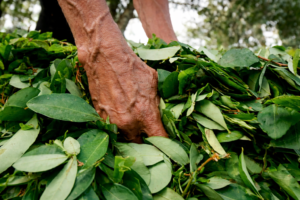
Understanding the traditional and agronomic best practices behind harvesting coca leaves helps preserve both quality and cultural heritage.
Understanding the Coca Plant Before Harvest
The biology of Erythroxylum coca
The coca plant, scientifically known as Erythroxylum coca, thrives in humid tropical and subtropical climates, particularly in the Andean regions of Peru, Bolivia, and Colombia. It is a perennial shrub that can be harvested multiple times per year once mature.
Before harvesting coca leaves, farmers monitor plant maturity carefully. A coca plant typically begins producing harvestable leaves about 12 to 18 months after planting. The healthiest leaves are medium-sized, deep green, and free of disease or insect damage.
Selective harvesting coca leaves ensures the plant continues to grow vigorously without stress.
Traditional Timing and Harvest Cycles
When harvesting coca leaves produces the best quality
Traditional farmers usually harvest coca leaves three to four times per year, depending on rainfall and altitude. The best harvesting coca leaves periods are during dry seasons, when humidity is lower. Excess moisture during harvest can lead to fungal growth during drying.
Leaves are picked when they are fully developed but not aged. Overly mature leaves can become brittle and lose some aromatic compounds. Harvesting coca leaves at the right stage preserves flavor, color, and bioactive content.
Timing remains one of the most important factors in high-quality harvesting coca leaves.
Hand-Picking vs. Mechanical Harvesting
Why manual harvesting coca leaves remains preferred
In most traditional regions, harvesting coca leaves is still done entirely by hand. Farmers gently pluck individual leaves without damaging stems or new buds. This careful method prevents plant shock and allows multiple harvest cycles per year.
Mechanical harvesting coca leaves is rare in traditional Andean agriculture because machines can damage branches and reduce long-term yield. Hand harvesting coca leaves also allows workers to select only the best leaves, improving overall product quality.
This selective approach protects both plant health and final product consistency.
Initial Post-Harvest Handling
Protecting freshness immediately after harvesting coca leaves
Once harvesting coca leaves is complete, the leaves should not be compressed or overheated. Fresh leaves are delicate and begin losing moisture quickly. Farmers typically spread them loosely in shaded baskets or cloth sacks for transport.
Direct sunlight immediately after harvesting coca leaves can cause uneven drying and discoloration. Proper airflow during transport is essential to prevent fermentation.
Handling during the first few hours after harvesting coca leaves directly impacts final quality.
Drying Coca Leaves Properly
Sun-drying techniques used in the Andes
Drying is the most critical stage after harvesting coca leaves. Traditional drying methods rely on clean, open-air sun exposure. Leaves are spread in thin layers over mats or drying floors and turned regularly to ensure even dehydration.
Ideal drying conditions include:
• Warm temperatures
• Low humidity
• Good airflow
• Protection from rain and dew
Drying usually takes one to two days under optimal weather conditions. Properly dried leaves should maintain a green color with minimal browning.
Avoiding over-drying or contamination
Over-drying after harvesting coca leaves can cause brittleness and loss of aromatic compounds. Under-drying can promote mold growth. Farmers monitor moisture carefully; properly dried leaves should feel dry but not powdery.
Drying surfaces must be clean and free of soil contamination. Dust and debris can reduce product purity and quality.
Maintaining hygiene during drying is as important as harvesting coca leaves itself.
Storage After Drying
Preserving quality long term
After drying, coca leaves are stored in breathable sacks in cool, dry environments. Moisture exposure after drying can quickly degrade quality.
Light protection is also important. Extended exposure to strong light can reduce color intensity and affect chemical stability. Proper storage completes the harvesting coca leaves process and ensures consistency until processing or sale.
Sustainability and Ethical Practices
Responsible harvesting coca leaves for future generations
Sustainable harvesting coca leaves practices focus on maintaining soil health, avoiding over-harvesting, and protecting biodiversity. Traditional farmers rotate plots and avoid stripping plants completely, ensuring continuous growth.
Responsible harvesting coca leaves supports both environmental balance and long-term productivity. Ethical cultivation also preserves cultural traditions that have existed for thousands of years in Andean communities.
Conclusion
High-quality products begin with careful harvesting coca leaves and proper drying techniques. From selecting the right maturity stage to controlled sun-drying and clean storage, each step plays a vital role in preserving flavor, color, and natural plant integrity.
Traditional Andean knowledge combined with careful agricultural practices continues to define the gold standard in harvesting coca leaves. When done correctly, these methods protect the plant, maintain quality, and honor centuries of cultural expertise.