
Coca flour, made from the finely ground leaves of Erythroxylum coca, has emerged as a powerful gluten-free alternative that’s gaining attention in modern nutrition. Far from its misunderstood reputation, coca flour represents a traditional Andean food rich in nutrients, history, and health benefits — especially for people looking to reduce gluten or adopt more natural diets.
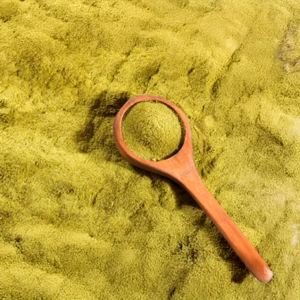
Why Coca Flour Is Naturally Gluten-Free
Unlike wheat, barley, or rye, coca flour contains no gluten proteins, making it safe for individuals with celiac disease or gluten intolerance. But what sets it apart is not just the absence of gluten — it’s the abundance of calcium, protein, iron, and natural alkaloids that promote energy and digestion.
The Nutritional Edge
A single tablespoon of coca flour can contain more calcium than milk and more iron than spinach. Its balanced composition makes it ideal for people who want to maintain steady energy levels without relying on processed flours or artificial supplements.
Coca Flour in Everyday Cooking
One of the most appealing qualities of coca flour is its versatility. It can be used in both sweet and savory dishes — from smoothies and pancakes to bread and cookies. Because of its mild, earthy flavor, it blends easily with other flours, adding a subtle green tone and a nutritional boost.
Simple Ways to Incorporate It
Add 1–2 teaspoons to your morning smoothie.
Replace up to 20% of regular flour in your baking recipes.
Use it to thicken soups or sauces naturally.
Mix it with oats, yogurt, or honey for an energizing breakfast.
The Global Shift Toward Functional Foods
As consumers worldwide seek foods that do more than just fill hunger, coca flour is finding its place among superfoods like quinoa, maca, and chia. Its combination of digestive support, mineral richness, and natural energy makes it an essential ingredient for wellness enthusiasts.
Responsible Sourcing Matters
Authentic Peruvian coca flour is sustainably harvested from Erythroxylum coca leaves grown in the Andes, following ethical practices that respect local farmers and biodiversity. When buying coca flour, always look for premium, organic, and responsibly produced sources.
A Future Built on Tradition
The rise of coca flour in modern diets is more than a trend — it’s a revival of ancestral wisdom. By embracing this ancient Andean ingredient, today’s generation reconnects with natural nutrition that supports both body and planet.