
Like any cultivated crop, coca plants require attention and care to stay healthy and productive. Farmers across the Andes have learned that managing coca plant pests and diseases early is essential for maintaining leaf quality, plant longevity, and sustainable yields.
Understanding the most common coca plant pests, along with traditional and modern prevention methods, helps growers protect their crops while minimizing damage to the environment and the plant itself.
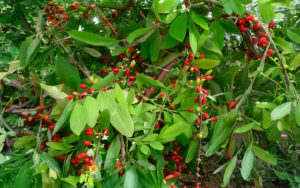
Why Plant Health Matters in Coca Cultivation
The impact of coca plant pests on yield and quality
Healthy coca plants produce vibrant, nutrient-rich leaves. However, coca plant pests and fungal infections can reduce growth, damage foliage, and lower overall harvest quality. Severe infestations may weaken plants, making them more vulnerable to drought, nutrient deficiencies, or additional diseases.
Early detection and preventive care are the most effective strategies for controlling coca plant pests without relying heavily on chemical treatments.
Common Insect Pests Affecting Coca Plants
Leaf-eating insects
One of the most visible coca plant pests includes caterpillars and beetles that feed directly on the leaves. These insects create holes, reduce leaf surface area, and slow plant growth. If not controlled, heavy feeding can significantly reduce harvest volume.
Regular field inspection allows farmers to remove affected leaves and prevent coca plant pests from spreading across the plantation.
Sap-sucking insects
Aphids, whiteflies, and scale insects are also common coca plant pests. These insects feed on plant sap, weakening the plant and causing leaf curling, yellowing, or stunted growth. In addition, they can transmit plant pathogens.
Natural predators such as lady beetles and parasitic wasps play an important role in controlling these coca plant pests in traditional agroecosystems.
Fungal Diseases and Leaf Problems
Leaf spot and mold
High humidity and poor airflow create ideal conditions for fungal diseases. Leaf spot appears as dark or brown lesions, while mold may develop as a powdery or fuzzy layer on the leaf surface.
Proper spacing between plants improves air circulation and reduces the risk of disease. Managing moisture is one of the most effective ways to prevent fungal issues associated with coca plant pests and pathogens.
Root and stem rot
Excess water or poorly drained soil can lead to root rot, a serious condition that causes wilting, yellowing, and eventual plant death. Good drainage and careful irrigation are essential to prevent this type of damage.
Healthy soil management is a key defense against both diseases and secondary coca plant pests.
Nutritional Deficiencies That Mimic Pest Damage
When the problem is not an insect
Sometimes leaf discoloration or poor growth is mistaken for coca plant pests when the real cause is nutrient deficiency. Lack of nitrogen, magnesium, or potassium can lead to yellowing, weak stems, or reduced leaf development.
Soil testing and organic fertilization help maintain balanced nutrition and prevent unnecessary pesticide use.
Traditional Andean Prevention Methods
Ecological approaches to managing coca plant pests
Many traditional coca growers rely on low-impact methods that support natural balance. These include:
Crop diversity and shade management
Growing coca alongside other plants creates biodiversity that helps control coca plant pests naturally. Shade trees also regulate humidity and temperature, reducing stress on the crop.
Manual removal and regular monitoring
Frequent inspection allows farmers to remove infected leaves or insects before problems spread. This hands-on approach remains one of the most effective traditional strategies.
Modern Integrated Pest Management (IPM)
Combining science and sustainability
Integrated Pest Management focuses on prevention first and treatment only when necessary. For coca plant pests, IPM strategies include:
Biological control
Encouraging beneficial insects helps keep harmful populations under control without chemicals.
Organic treatments
Natural solutions such as neem-based sprays or botanical extracts can reduce infestations while protecting soil health.
Controlled chemical use
When infestations are severe, targeted and minimal chemical application may be used carefully to avoid environmental damage.
Environmental Factors That Increase Risk
Conditions that favor coca plant pests
Several environmental factors make infestations more likely:
- Bad quality coca seeds
- High humidity and poor airflow
- Overcrowded planting
- Excess nitrogen fertilization
- Water stress or poor drainage
Managing these conditions reduces plant stress and strengthens natural resistance to coca plant pests and diseases.
Conclusion
Healthy crops begin with prevention. By understanding the most common coca plant pests and diseases, growers can take early action to protect their plants, improve leaf quality, and maintain consistent production.
Traditional Andean knowledge combined with modern ecological practices offers the best approach to managing coca plant pests responsibly. Careful monitoring, balanced soil management, good airflow, and natural control methods help ensure strong, resilient coca plants for long-term cultivation.