
Deep in the Amazon and across the Andean-Amazonian regions, the tradition of coca leaf shamanic healing continues to play an important role in spiritual life and natural medicine. For Indigenous communities, coca leaves are not just a plant—they are a sacred tool used to restore balance, diagnose illness, and connect with the unseen world.
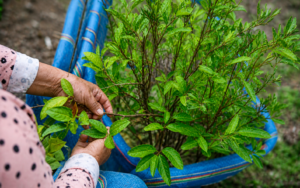
While modern audiences often focus on the chemistry of coca, the reality of coca leaf is rooted in centuries of oral tradition, ritual practice, and deep respect for nature.
The Sacred Role of Coca in Healing Rituals
A bridge between the physical and spiritual worlds
In many Amazonian and Andean traditions, coca leaves are seen as a living entity with spirit and intelligence. Shamans—often called curanderos—use coca as a medium to communicate with spiritual forces, ancestors, and the natural environment.
During ceremonies, leaves are selected carefully, held, blown upon, or placed in ritual patterns. This process is central to coca leaf shamanic healing, where the plant is believed to carry messages between worlds.
Healing is not only physical; it is emotional and spiritual. Coca helps restore harmony between the individual and their surroundings.
Reading the Coca Leaves
Interpreting patterns and energy
One of the most fascinating aspects of coca leaf shamanic healing is the practice of leaf reading. The healer casts or arranges coca leaves and interprets their positions, shapes, and orientation.
This method is used to:
Identify emotional or spiritual imbalance
Understand the root cause of illness
Guide decisions and life paths
Each reading is unique. The shaman relies on intuition, training, and ancestral knowledge passed down through generations. In this context, coca becomes a diagnostic tool rather than just a remedy.
Stories from the Amazon
Healing fatigue and spiritual disconnection
In Amazonian communities, coca leaf shamanic healing is often used when a person feels drained, lost, or disconnected. A common story involves travelers or workers who arrive exhausted and overwhelmed.
A healer may prepare a coca ritual, using leaves to “read” the person’s condition and then offering coca tea or guided breathing with the leaves. Over time, individuals report feeling more grounded, calm, and mentally clear.
These stories highlight how coca leaf shamanic healing addresses both body and spirit.
Protection during journeys
Another recurring story involves protection. Before long journeys through forests or mountains, shamans perform coca rituals to ask for safety. Leaves are offered to the earth, and some are carried as a protective symbol.
In these traditions, coca leaf shamanic healing is not only reactive—it is preventive, helping people avoid harm before it happens.
Community healing ceremonies
Coca is also used in group ceremonies where multiple people participate. These gatherings may involve chanting, offerings, and shared coca use.
The purpose is to restore balance within the community, not just the individual. In this way, coca leaf shamanic healing becomes a collective experience that strengthens social and spiritual bonds.
The Role of Intention and Ritual
Why context matters
The plant is used is just as important as the plant itself. Ritual, intention, and respect define the outcome.
A leaf used casually is not the same as a leaf used in ceremony. Shamans emphasize mindfulness, gratitude, and connection with nature during every step of the process.
This is why coca leaf shamanic healing cannot be separated from its cultural context.
Differences Between Amazonian and Andean Practices
Shared roots, different expressions
While coca is strongly associated with the Andes, its influence extends into Amazonian traditions, especially in regions where cultural exchange has occurred.
In Andean areas, coca is often used daily for energy, altitude, and social bonding. In Amazonian contexts, coca leaf shamanic healing may be more ceremonial and integrated into broader spiritual systems.
Despite these differences, the core idea remains the same: coca is a sacred plant that supports balance and healing.
Modern Interest and Respect for Tradition
Growing global curiosity
As interest in natural medicine grows, more people are learning about coca leaf shamanic healing. However, it is important to approach these traditions with respect and awareness.
These practices are not simply wellness trends—they are part of living cultures with deep historical roots. Misunderstanding or commercializing them without context can lead to distortion of their meaning.
Conclusion
The world of coca leaf shamanic healing offers a powerful example of how plants can be integrated into spiritual and medicinal traditions. Through rituals, leaf reading, and community ceremonies, coca continues to serve as a bridge between physical health and spiritual balance.
The stories from the Amazon remind us that healing is not always about isolated symptoms. In many cultures, it is about restoring harmony—with oneself, with others, and with the natural world.