
Coca leaves have been used for centuries across the Andes as a gentle remedy for many everyday ailments, including minor aches and discomfort. When we talk about coca leaf pain relief, we’re referring to a long-standing folk practice in which whole, unprocessed leaves are chewed, brewed as tea, or applied in simple preparations to soothe pain. Modern research and historical records both help explain why traditional communities have trusted coca for this purpose.
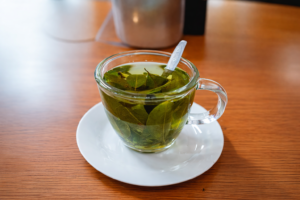
How traditional use works: chewing and tea for local comfort
In traditional settings, people chew small bundles of fresh coca leaves (often with a mineral ash) or steep the leaves to make coca tea. This practice releases mild alkaloids and other plant compounds slowly into the mouth and digestive tract, producing subtle numbing and easing sensations. That slow-release action is key to the reported coca leaf pain relief effect: it is not an intense anesthesia but rather a gentle, sustained comfort that reduces toothache, headache and the weariness that can make pain feel worse.
Scientific evidence for mild local anesthesia
Laboratory and pharmacology studies show that coca leaf extracts, and certain alkaloidal fractions derived from the leaf, can produce local anesthetic effects. Early pharmacological work demonstrated that coca fractions produced some numbness similar to conventional local anesthetics in controlled tests, supporting traditional claims of topical pain relief. This provides a biochemical explanation for why chewing or holding leaves against a sore tooth or gum can momentarily dull pain.
Broader analgesic and anti-fatigue effects
Beyond localized numbing, coca leaf use is associated with decreased perception of fatigue and discomfort in high-altitude communities. Travelers and workers in mountainous regions often report fewer headaches, less nausea and a softer experience of the physical strain that can make pain worse. These calming and anti-fatigue effects are part of how communities historically achieved coca leaf pain relief in day-to-day life. Clinical traveler surveys and ethnographic studies document this pattern, though randomized clinical trials remain limited.
What the chemistry tells us
Coca leaves contain a mix of alkaloids, polyphenols and other bioactive compounds. The principal alkaloid (in small percentages) can act on nerve endings to blunt pain sensations, while flavonoids and polyphenols have antioxidant and mild anti-inflammatory properties. Together these constituents help explain both immediate, local effects (a numbing sensation) and more systemic, supportive effects (reduced inflammation or oxidative stress), which may contribute to perceived pain reduction. Still, the alkaloid content in leaves is low and variable, so effects are modest and dose-dependent.
Safety, dosage and limitations
It’s important to be realistic about coca leaf pain relief. Traditional use relies on small, infrequent doses — a quid of leaves, a cup of tea, or a topical poultice — not on concentrated extracts or processed alkaloids. While ethnobotanical and modern reviews find few adverse effects from traditional consumption, the presence of controlled alkaloids means safety and legality vary by country. People with heart conditions, pregnant individuals, and anyone on medications should consult a healthcare professional before trying coca-based remedies. Furthermore, scientific studies call for more controlled human trials to quantify efficacy and safe dosages for therapeutic use.
Practical traditional applications that people still use
Across the Andes, traditional healers and everyday users apply coca leaves in straightforward ways for minor pain. Chewing leaves can temporarily ease tooth and gum pain. Warm coca infusions are sipped for headache relief and soothing of general malaise. Sometimes leaves are crushed and applied externally as a poultice to inflamed areas. These methods emphasize moderation and context — small amounts, local application, and respect for the plant’s cultural role — and they align with the kind of mild, supportive coca leaf pain relief described in both ethnographic and pharmacological literature.
Conclusion
Traditional use and scientific inquiry both point to a modest but real role for coca leaves in soothing minor pain and discomfort. The combination of mild local anesthetic action, anti-fatigue properties and antioxidant compounds helps explain why coca leaf pain relief is part of daily life in Andean communities. At the same time, legal and safety considerations — and the need for more robust clinical research — mean coca should be approached with care outside its traditional context. For those curious about traditional remedies, coca offers a fascinating example of how cultural knowledge and early science can overlap, but it is not a substitute for medically supervised pain management when needed.