
For thousands of years, coca in Andean culture has been far more than a plant. It is a symbol of life, connection, healing, and respect for nature. Long before modern debates and misunderstandings, Indigenous communities across Peru, Bolivia, and other Andean regions recognized coca as a sacred resource that supports physical endurance, emotional balance, and spiritual harmony.
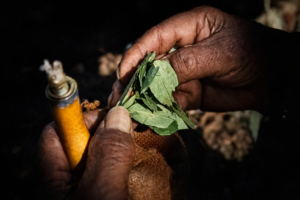
Understanding the role of coca in Andean culture helps reveal the deep historical, social, and medicinal significance that continues to shape daily life in the Andes today.
The Sacred Meaning of Coca
A plant connected to Pachamama
In traditional belief systems, coca in Andean culture is closely linked to Pachamama, or Mother Earth. The plant is considered a sacred gift that allows people to communicate with the natural and spiritual worlds.
Coca leaves are often offered during ceremonies, rituals, and important life events. Before travel, farming, or community gatherings, people may place leaves on the ground or burn them as an offering. These practices express gratitude, ask for protection, and strengthen the relationship between humans and nature.
The spiritual dimension of coca in Andean culture reflects a worldview based on balance, reciprocity, and respect.
Coca as a Tool for Social Connection
Sharing leaves as a sign of trust and community
Beyond ritual use, coca in Andean culture plays an important social role. Sharing coca leaves is a traditional gesture of friendship, hospitality, and mutual respect.
In rural communities, people gather to talk, work, or rest while chewing coca. This shared experience encourages conversation, cooperation, and a sense of belonging. In many ways, coca functions socially in a manner similar to tea or coffee in other cultures.
The daily use of coca in Andean culture strengthens community ties and preserves cultural identity.
Traditional Medicinal Uses
Natural support for altitude and endurance
One of the most well-known aspects of coca in Andean culture is its use as a natural remedy. For centuries, coca has been used to help the body adapt to high-altitude environments.
When chewed or consumed as tea, coca may help reduce symptoms such as fatigue, shortness of breath, headache, and loss of appetite. These traditional practices remain common among farmers, miners, and travelers working in mountainous regions.
Coca in Andean culture is valued as a gentle stimulant that supports energy and physical endurance during long hours of labor.
Digestive and general wellness support
Traditional healers also use coca to support digestion and overall well-being. Coca infusions are commonly taken to relieve stomach discomfort, nausea, or bloating.
In folk medicine, coca leaves may be applied externally to soothe minor aches, reduce inflammation, or support recovery after physical strain. These uses reflect the long-standing medicinal knowledge surrounding coca in Andean culture.
Coca in Traditional Healing and Divination
Reading the leaves
In some Andean communities, coca in Andean culture is used for diagnostic and spiritual purposes. Healers, known as curanderos or yatiris, interpret the arrangement of coca leaves during rituals to understand a person’s physical, emotional, or spiritual condition.
This practice, often called coca leaf reading, is used to guide healing decisions, identify imbalances, or seek insight before important decisions.
Such traditions highlight the holistic role of coca in Andean culture, where health is understood as a balance between body, mind, community, and spirit.
Cultural Resistance and Identity
A symbol of heritage and resilience
Throughout history, coca in Andean culture has faced periods of misunderstanding and restriction. Despite external pressure and stigma, Indigenous communities have continued to protect their traditional practices.
Today, coca remains an important symbol of cultural identity, sovereignty, and ancestral knowledge. Festivals, markets, and daily life across the Andes still reflect the enduring importance of coca in Andean culture.
Recognizing this heritage helps promote a more respectful and accurate understanding of the plant.
Traditional Forms of Consumption
Methods passed down through generations
There are several traditional ways coca in Andean culture is used:
Leaf chewing
Leaves are held in the cheek and slowly released over time, often combined with a natural alkaline substance to enhance absorption.
Coca tea
Leaves are steeped in hot water to create a mild, soothing infusion.
Coca flour or traditional preparations
In some regions, dried leaves are ground and used in small amounts for nutritional or functional purposes.
Each method reflects the practical and cultural knowledge surrounding coca in Andean culture.
Conclusion
The story of coca in Andean culture is one of spirituality, healing, community, and resilience. For thousands of years, this sacred plant has supported physical endurance, strengthened social bonds, and served as a bridge between people and the natural world.
Understanding coca through its cultural and traditional context allows for a more balanced perspective—one that honors its role as a living symbol of Andean heritage and ancestral wisdom.