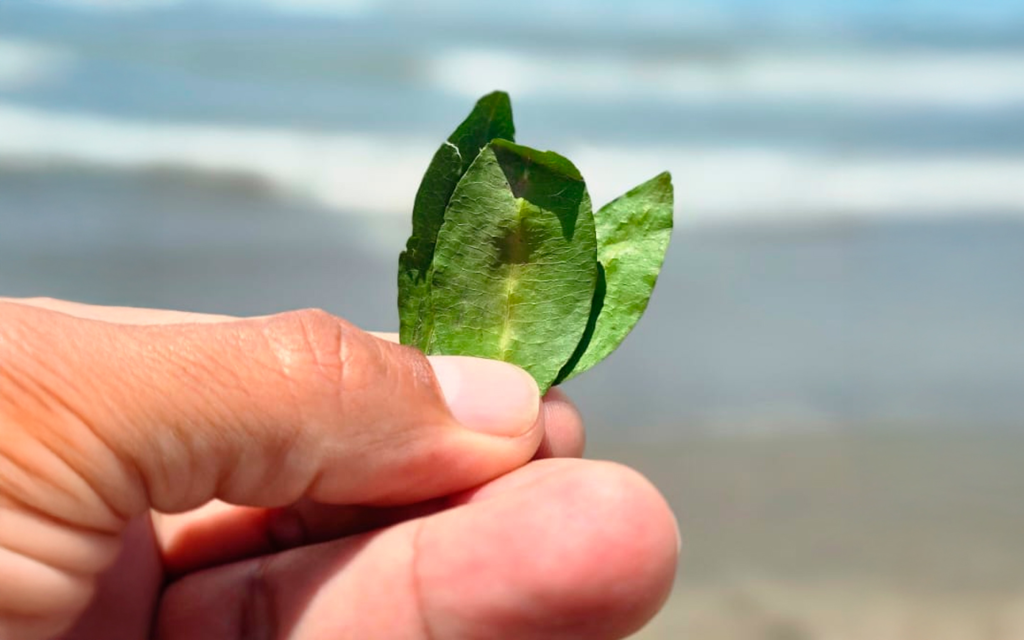
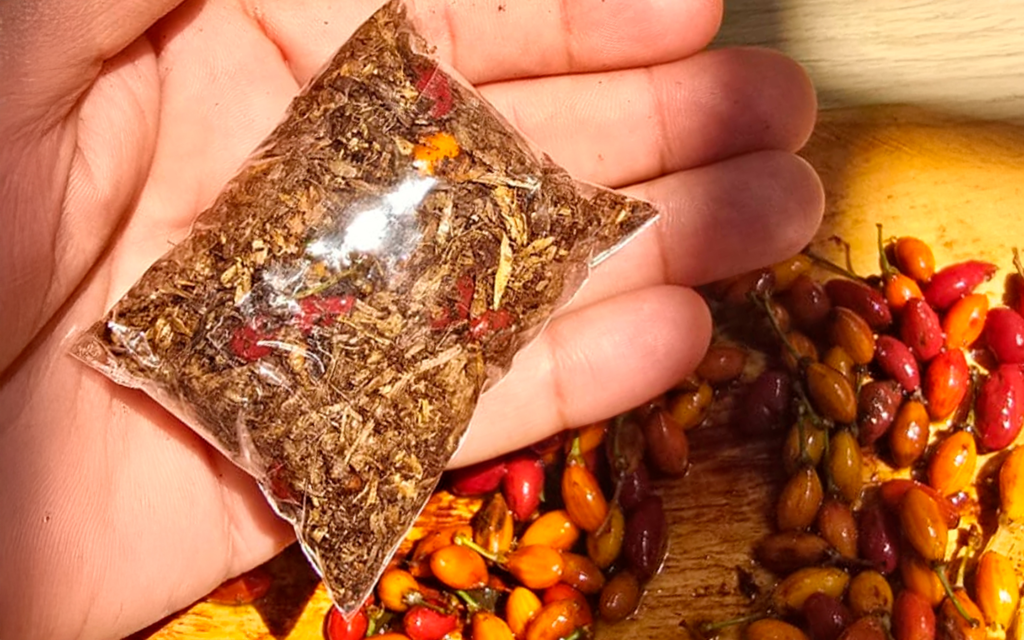
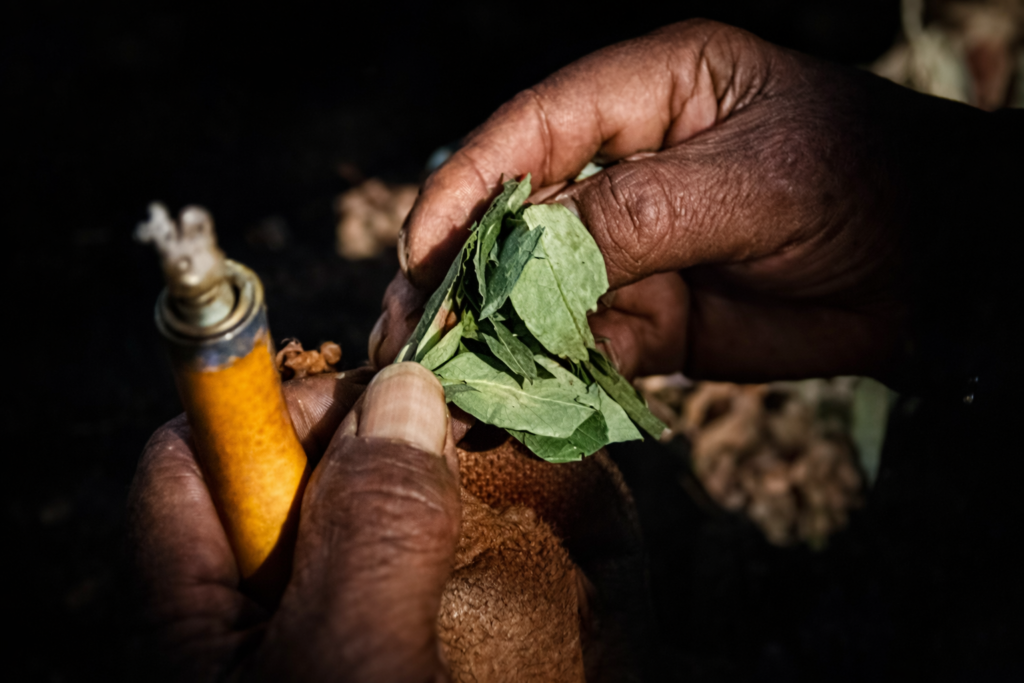
Coca leaf chewing is an ancient Andean practice with deep cultural roots and a long history of daily use. Known in different regions as acullico, chacchado, or picchado, this traditional…
Coca tea is one of those drinks that sounds confusing until you look at the science. The reason people keep asking about coca leaf chemistry is simple: the leaf contains…
Coca leaves have been used for centuries across the Andes as a gentle remedy for many everyday ailments, including minor aches and discomfort. When we talk about coca leaf pain…
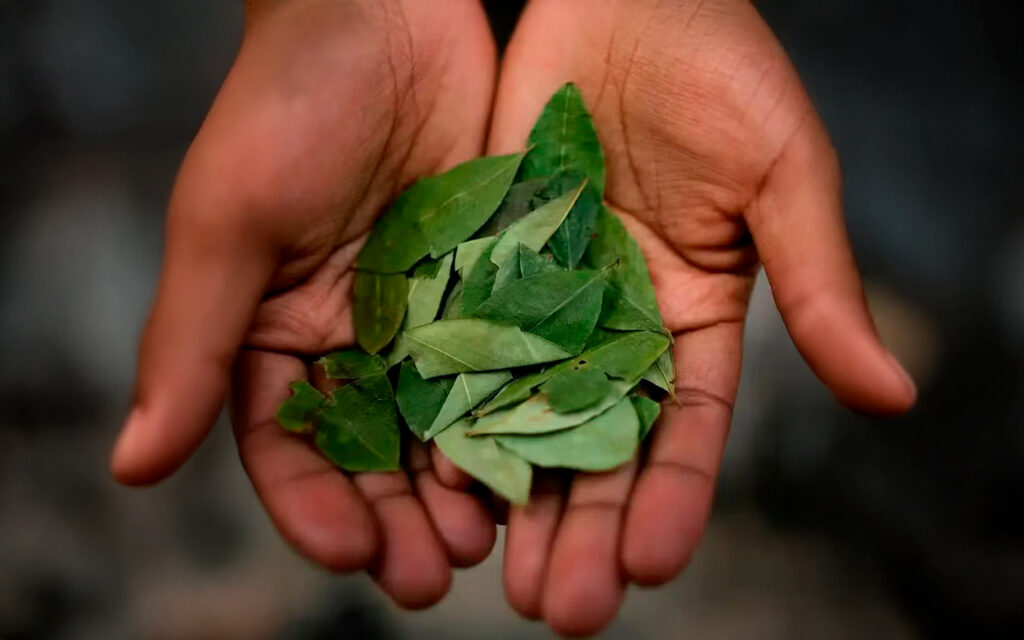
Coca leaves have been misunderstood for decades. Around the world, many people associate the plant only with illegal drugs, ignoring its long history, cultural importance, and traditional uses. In reality,…
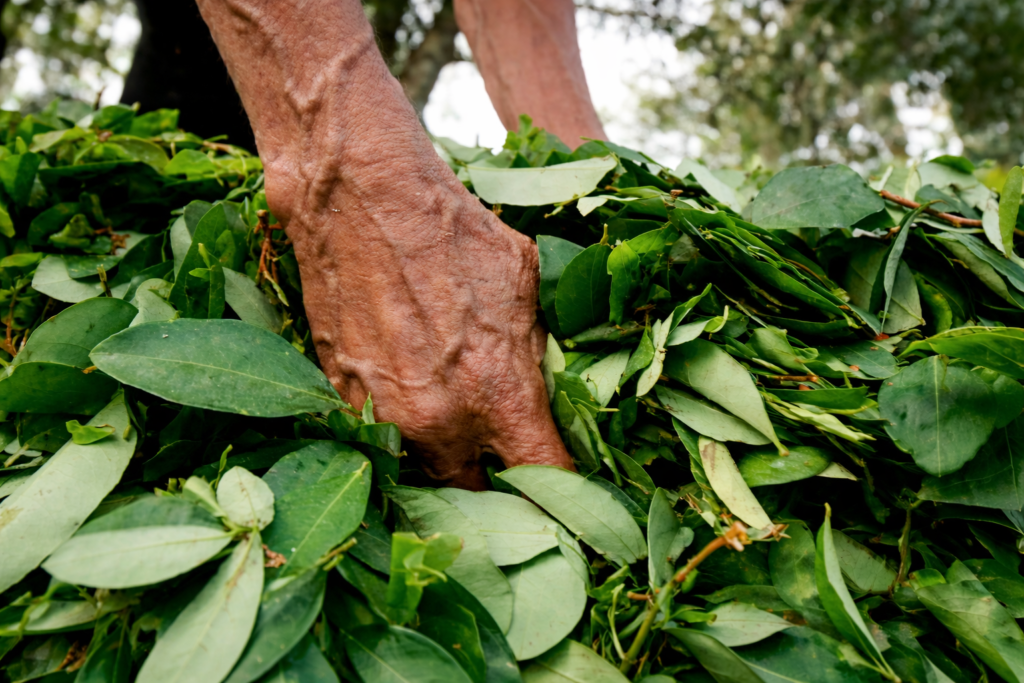
For centuries, Andean farmers have perfected the art of harvesting coca leaves with care, precision, and deep respect for the plant. The quality of coca products—whether for traditional chewing, tea,…
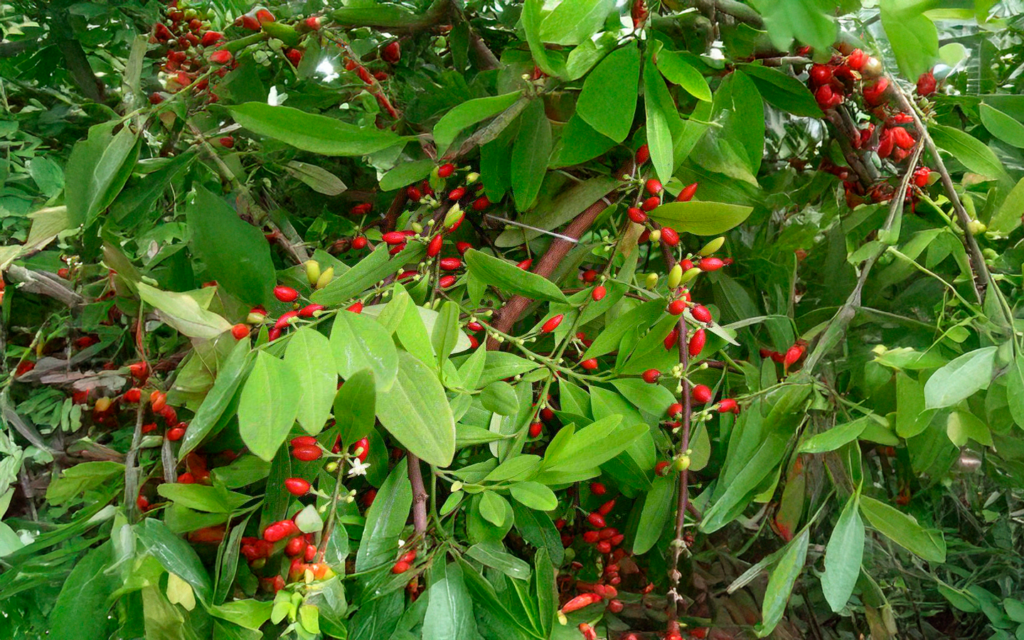
Like any cultivated crop, coca plants require attention and care to stay healthy and productive. Farmers across the Andes have learned that managing coca plant pests and diseases early is…
For thousands of years, coca in Andean culture has been far more than a plant. It is a symbol of life, connection, healing, and respect for nature. Long before modern…
Coca (Erythroxylum coca) has been a staple of Andean culture for millennia. Indigenous peoples traditionally chew coca leaves (“acullico”) mixed with a bit of alkaline ash or lime, slowly releasing…
Coca leaves have a long history: Indigenous Andean cultures have used coca leaves for food, medicine, and rituals for millennia[1]. Today, global interest in coca’s botanical and cultural value is…
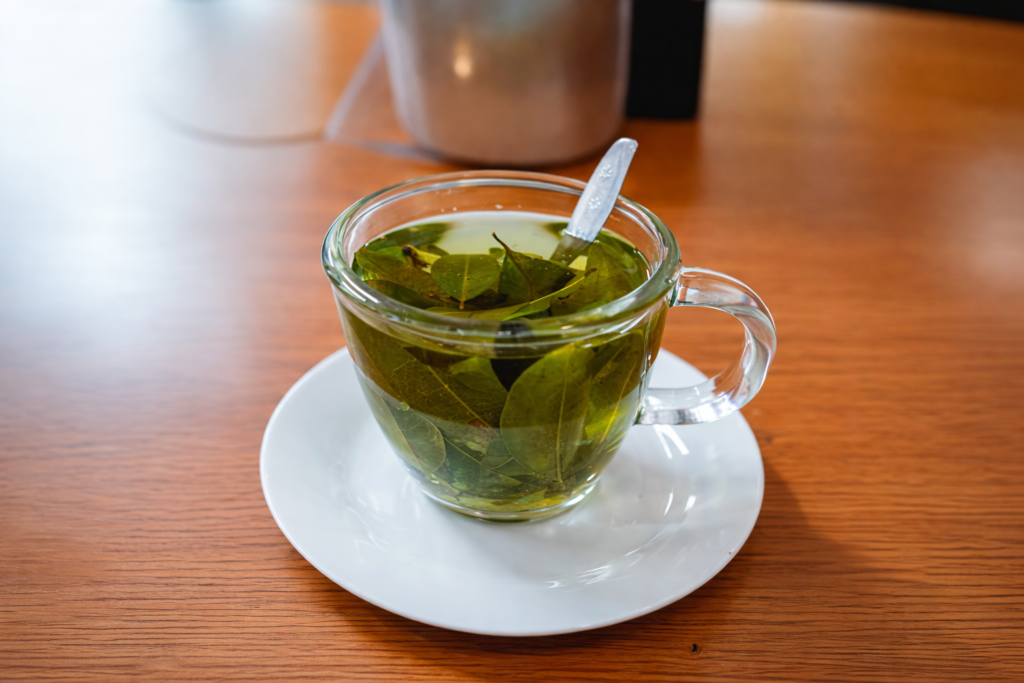
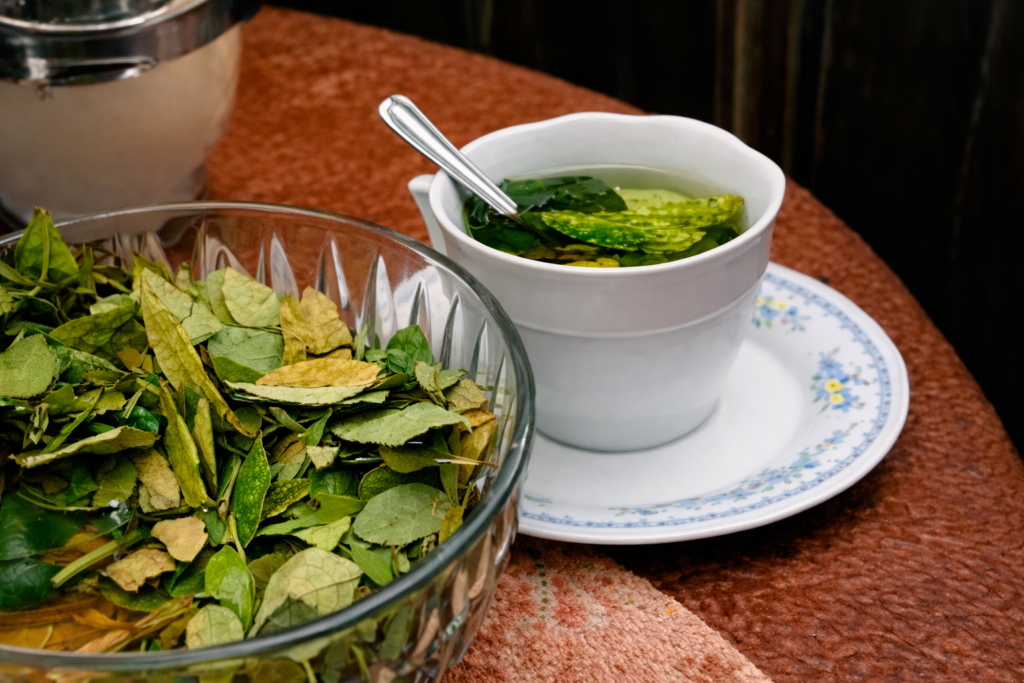
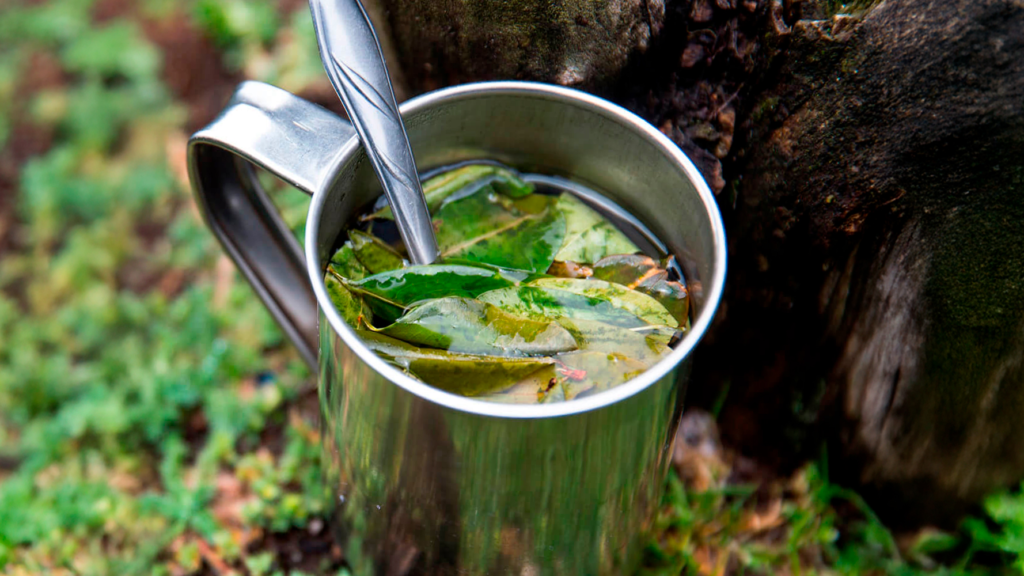
Coca tea (known as mate de coca) is a traditional Andean herbal infusion made from coca leaves. In Peru and Bolivia this mild tea has been enjoyed for centuries by…