
Coca products can mean very different things depending on the form you are looking at. In the case of Erythroxylum coca, the plant can be turned into tea, used as seed material for cultivation, ground into flour, or processed into other specialized products. The botanical plant itself is a cultivated Andean shrub with a long history of use, and its different forms serve different purposes.
That is why a good comparison of coca products matters. Tea is mainly about infusion and tradition, seeds are about propagation, flour is about nutrition and food use, and “beyond” usually refers to specialized forms such as dried leaf products or decocainized extracts. Each one behaves differently, and each one makes sense for a different audience.
What Makes Coca Products Different
Coca tea is the most familiar everyday form
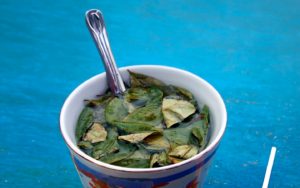
Coca tea is made by steeping coca leaves in hot water. Research on commercial tea bags from Peru and Bolivia found that each bag contained about 1 gram of plant material and that a single cup could transfer roughly 4 mg of cocaine into the infusion. The same study also found other coca alkaloids, including benzoylecgonine and ecgonine methyl ester, which is why coca tea has real pharmacological activity even though it is much milder than processed cocaine.
For people comparing coca products, tea stands out because it is simple, fast, and easy to use. It is the form most travelers and herbal tea drinkers recognize first, and it is closely tied to Andean tradition. At the same time, the chemistry is important: coca tea is not “just another herbal tea,” because it still contains measurable coca alkaloids.
Coca seeds are for growing, not for brewing
Coca seeds belong in a different category entirely. A forensic study of Erythroxylum coca var. coca seeds from Bolivia identified eleven alkaloids in the seeds, including cocaine and several tropane alkaloids. That makes seeds scientifically interesting, but their real value for most buyers is as planting material rather than as a drinking product.
For anyone comparing coca products, seeds are the most botanical option. They are the choice for propagation, conservation, or collection, not for tea preparation. A separate plant-pathology paper also showed that seed material can carry fungal pathogens, which is one more reason seeds should be treated as agricultural material, not as food.
Coca flour is the most food-oriented option
Coca flour is made by grinding dried coca leaves into a fine powder. Nutritional research on coca leaves from Peru found meaningful levels of protein, fiber, calcium, iron, magnesium, potassium, and several vitamins, including provitamin A, vitamin E, and B-complex vitamins. That is why coca flour is often presented as the more food-like side of coca products.
The same study also showed that the nutritional profile depends on how much material is actually consumed. Small servings contribute only a fraction of daily needs, even though the leaf itself is nutrient-rich on a dry-weight basis. So coca flour is best understood as a traditional supplemental ingredient, not a replacement for a complete diet.
Dried leaf and decocainized extract sit in the middle
Between tea, seeds, and flour, there are also other coca products such as dried leaf and decocainized extracts. Dried leaf is the traditional starting point for chewing or brewing. Decocainized extract is a special processed form recognized in international and U.S. rules when it no longer contains cocaine or ecgonine. That legal distinction is narrow and technical, and it does not describe ordinary coca tea sold to consumers.
Which Coca Products Fit Which Purpose
Coca tea fits convenience and tradition
If the goal is a warm drink with cultural roots, coca tea is usually the most practical of the coca products. It is easy to prepare, familiar to travelers, and strongly associated with Andean daily life. Research shows that the tea contains enough alkaloids to be biologically active, which is why it has long been used as a traditional stimulant.
Coca seeds fit cultivation and botanical interest
If the goal is to grow the plant, coca seeds are the relevant product. They are tied to the botany, taxonomy, and domestication history of Erythroxylum coca. Modern genomic work shows that coca has a complex domestication history and belongs to a group of closely related cultivated varieties, which makes seeds especially interesting for anyone focused on the plant itself rather than its infused or powdered forms.
Coca flour fits nutrition and cooking
If the goal is to explore coca as a functional ingredient, coca flour is the most versatile of the coca products. Because leaf analyses show strong mineral and fiber content, flour is the form most likely to be used in food or baking contexts. It is the closest thing coca has to a pantry ingredient.
What Buyers Should Know Before Choosing
Not every coca product behaves the same way
One of the biggest mistakes people make is assuming all coca products are interchangeable. Tea is an infusion, seeds are reproductive material, flour is a food ingredient, and processed extracts are a separate regulatory category. Their chemistry, use case, and practical value are different.
Legal status can matter as much as the product itself
In the United States, coca leaves and preparations of coca leaves are listed as controlled substances, with narrow exclusions for decocainized material that does not contain cocaine or ecgonine. U.S. Customs has also stated that coca leaves cannot be brought into the country for tea or chewing. That means the legality of coca products depends heavily on the exact form.
Conclusion
Coca products are not one thing. Coca tea is the simplest and most familiar form, seeds are for growing the plant, coca flour is the most food-focused option, and dried leaf or decocainized extracts sit in more specialized territory. The best choice depends on whether the goal is tradition, cultivation, nutrition, or product development.
Understanding the differences helps buyers choose the right coca products with more confidence. It also makes the plant easier to appreciate for what it really is: a culturally important Andean species with multiple forms, multiple uses, and a surprisingly complex botanical profile.