
Coca tea is one of those drinks that sounds confusing until you look at the science. The reason people keep asking about coca leaf chemistry is simple: the leaf contains cocaine-related alkaloids, yet the traditional tea behaves very differently from purified cocaine. In the leaf, those compounds are present at low levels and are released slowly, which is why coca tea produces a mild stimulant effect rather than the rapid, intense spike linked to addiction.
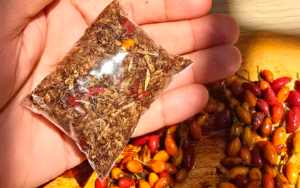
What Makes Coca Tea Different
The leaf contains alkaloids, but not in a concentrated form
A standard coca tea bag contains about 1 gram of plant material, and analysis has found roughly 4.14 mg of cocaine in a cup of Peruvian coca tea and 4.29 mg in Bolivian tea. The same study also identified related alkaloids such as benzoylecgonine and ecgonine methyl ester, but the amounts are still far below the doses associated with recreational cocaine use. That low-dose profile is the first reason coca leaf chemistry does not translate into the same addictive experience as processed cocaine.
Brewing changes the chemistry in a gentle way
Tea preparation extracts the compounds into water, but the extraction is gradual. In one study, about 80% of the available cocaine was transferred to tea during preparation, and longer steeping increased the amount only modestly, from 3.94 mg at 3 minutes to 5.88 mg at 15 minutes in Peruvian tea. That means the chemistry of the infusion is still limited by the leaf itself, which is why coca tea stays mild instead of becoming a strong drug-like product.
Why It Does Not Act Like Cocaine
Slow absorption changes the effect
Traditional coca use is not the same as snorting or injecting cocaine. WHO-reviewed material describes coca leaf use as producing gradual release over about an hour, while cocaine use involves immediate, concentrated exposure. When coca is chewed or brewed, the alkaloids enter the body more slowly, so the brain does not receive the sharp reward signal that tends to drive addiction. This is a central point in understanding coca leaf chemistry.
The dose is small enough to stay mild
The same review literature repeatedly contrasts coca leaf with purified cocaine. Coca chewers typically obtain about 0.5% cocaine in gradual release, while cocaine users consume a concentrated alkaloid much more rapidly. In practical terms, the body gets a low, steady exposure from tea, not the fast spike that creates a strong craving cycle. That is why coca tea is often described as feeling more like a weak coffee than a hard stimulant.
What the Research Says About Dependence
Traditional use shows very low dependence potential
A WHO review reports that coca leaf use is not associated with significant dependence or abuse potential in the limited ethnographic studies available. The same review also notes a survey in which only 2.3% of current coca chewers met dependence criteria, which is very low compared with the dependence pattern seen in cocaine use. That does not make coca tea “drug-free,” but it does show that the traditional plant form behaves very differently from the isolated drug.
The whole leaf likely matters
Coca leaves contain more than one alkaloid, and the review literature notes that the leaf can contain up to 15 alkaloids in varying amounts. Researchers believe these compounds may act together with fibers and other plant components, which helps explain why the whole leaf feels different from a purified alkaloid. In other words, coca leaf chemistry is not just about cocaine alone; it is about the full plant matrix.
Why Traditional Andean Use Has Stayed Cultural Rather Than Compulsive
The plant is used in everyday life, not as a binge substance
Ethnographic and travel-medicine reviews describe coca tea as a normal part of life in the Andes, especially for altitude adjustment, work, and social routines. Because it is usually consumed in a slow, modest way, it fits into daily practice instead of binge-style use. That pattern matters: addiction risk rises when a substance is used for a fast reward, not when it is sipped slowly in a cultural setting.
Mild effects do not equal strong reinforcement
The tea can still produce measurable metabolites in urine and can trigger positive drug tests, which proves the alkaloids are real and biologically active. But measurable does not mean addictive. The research shows that coca tea can produce stimulant effects without the high-intensity reinforcement associated with pure cocaine. That is the practical difference at the center of coca leaf chemistry.
Limitations and Practical Reality
Low addiction risk does not mean zero risk
Even though coca tea has low dependence potential, it is not harmless for everyone. The tea contains cocaine-related alkaloids, and traditional consumption can still lead to positive cocaine metabolite tests. For that reason, the plant should be understood as a culturally specific herbal stimulant with real pharmacology, not as a casual wellness drink in the same category as chamomile or mint.
Conclusion
The reason coca tea stays non-addictive in practice comes down to coca leaf chemistry: low alkaloid concentration, gradual extraction, slower absorption, and the buffering effect of the whole leaf. Research consistently shows that traditional coca tea and coca chewing produce mild stimulant effects and very low dependence potential compared with purified cocaine. At the same time, the tea is still biologically active and can cause positive drug tests, so it should be treated as a traditional plant product with real chemical effects, not as a harmless flavor tea.